Stroke treatment and recovery are, kind of, crucial steps in helping patients slowly get back independence, better day-to-day life, and also lower long-term complications after a stroke. Stroke is still one of the major reasons for disability and death in India, affecting thousands of people every year. When diagnosis happens early and specialist neurological care is provided, outcomes can shift a lot and the recovery potential becomes more realistic.
A stroke may disturb movement, speech, memory, coordination, and even small everyday activities. Most patients and families also feel confused about what really happens after a stroke and how rehabilitation is going to assist the return of function. That is where an expert neurological evaluation becomes, actually, necessary.
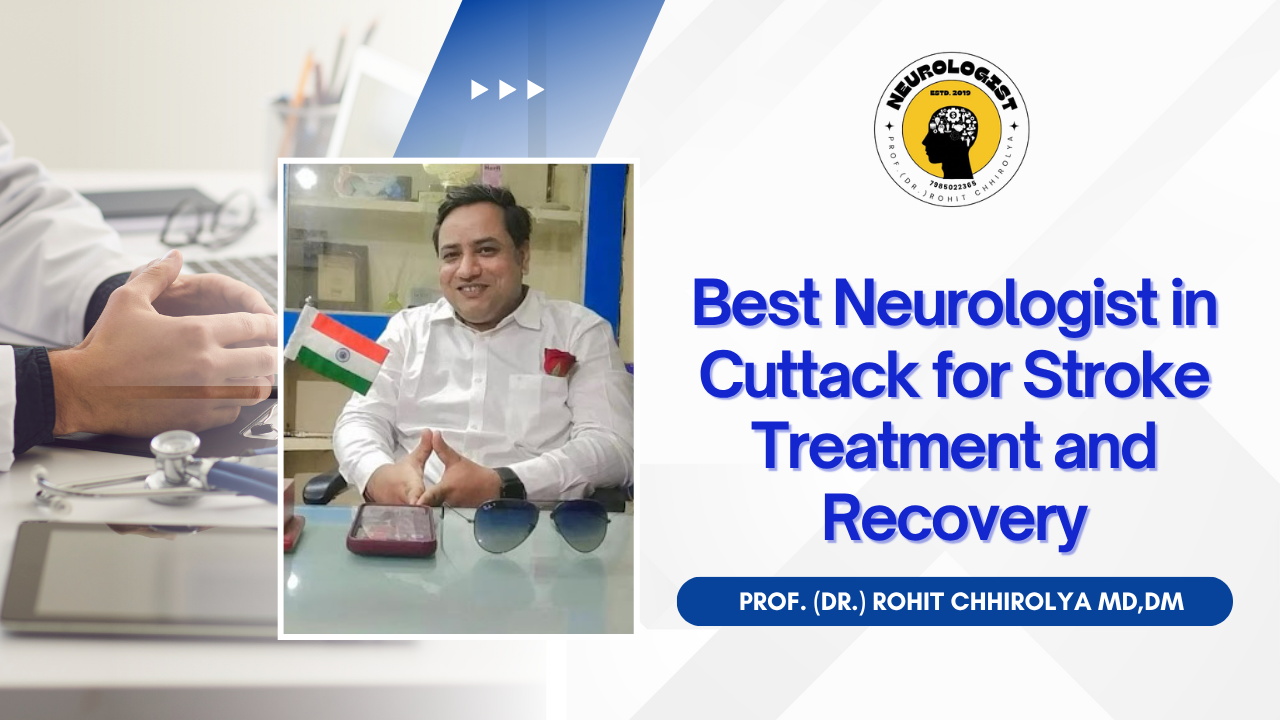
If someone is looking for stroke treatment and recovery in Cuttack, Nilakantha Brain Clinic offers a full range of neurological services under Prof. (Dr.) Rohit Chhirolya, a neurologist with experience in stroke management, rehabilitation planning, and ongoing long-term neurological follow-up. The clinic follows evidence-based treatment, uses customized recovery plans, and keeps the patient at the center of every decision.
Understanding Stroke Treatment and Recovery
Stroke treatment and recovery start with understanding what a stroke is and how it affects the brain a lot.
A stroke happens when the blood supply to a segment of the brain is interrupted or when a blood vessel inside the brain ruptures. With not enough blood flow, brain cells can get injured within minutes, sometimes even faster than people expect.
The two main kinds of stroke include ,
Ischemic Stroke
This is maybe the most common type of stroke, and it happens when a clot blocks the blood flow to the brain, no kidding. Early ischemic stroke treatment is essential so the brain injury is minimized, as soon as possible
Hemorrhagic Stroke
This type shows up when a blood vessel ruptures, and it leads to bleeding somewhere inside or around the brain. So the hemorrhagic stroke treatment tends to focus on stopping the bleeding first and then preventing further complications.
Effective stroke treatment and recovery usually involve emergency medical care, after that structured rehabilitation, plus ongoing neurological monitoring and a few lifestyle adjustments too.
Common symptoms that may indicate a stroke
If stroke symptoms are recognized early, it can actually save lives.
Sudden weakness or paralysis
If you notice weakness in the face, arm, or leg, especially on just one side of the body, it can be a stroke sign, not something to ignore.
Facial drooping
With facial drooping, one side of the face may look uneven or droop when you smile.
Trouble speaking
You might have slurred speech, difficulty understanding words, or you may just not be able to communicate clearly.
Vision Problems
If you notice sudden blurred vision, or a total loss of sight in one eye or both, it can be a warning sign; don’t brush it off
Loss of Balance or Coordination
Trouble while walking, dizziness, or sudden unsteady coordination should not be ignored under any circumstances.
Severe Sudden Headache
A sudden, very intense headache with no clear reason can mean a bleeding brain event; sometimes people call it a hemorrhagic stroke
Immediate emergency medical help is critical when any of these symptoms start showing up quickly.
Why Early Stroke Treatment and Recovery Matter
Stroke treatment and recovery outcomes really hinge on how soon the medical response starts, because time is kind of everything, and you do not want it to wander. Brain cells are very sensitive to oxygen starvation, and even a short delay can make the damage stick around. When intervention comes late, the risk of long-term impairments goes up; that’s the whole point.
Early treatment can bring a few major advantages, like
- Less brain tissue injury
- More favorable mobility results
- Stronger odds for speech recovery
- A reduced chance of complications
- More independence later
For instance, an older patient who suddenly develops weakness may make a much better comeback if the therapy begins right away, compared to someone who waits and keeps assuming it will pass.
Major causes and risk factors behind stroke
A bunch of different things can push stroke risk up, I mean, increase it overall. Some are kind of obvious, and some are more subtle, like you wouldn’t notice them right away.
High blood pressure
This is the leading risk factor for stroke, period.
Diabetes
If blood sugar is poorly controlled, it can slowly injure blood vessels, and that can set you up for trouble later on.
Heart Disease
Some heart issues can make clots form more easily, kind of like they just gather.
Smoking
Smoking badly harms blood vessels, and that can up the risk of stroke too.
Obesity
Extra body weight feeds into hypertension and also diabetes.
High Cholesterol
High cholesterol can make blood vessels narrow, eventually, or at least lead them to get tighter.
Lack of physical activity,
Living more sedentary tends to heighten cardiovascular risk, and it can linger.
Family history
If stroke runs in the family, genetics can play a part in how vulnerable someone may be.
When these issues are handled, it helps the long-term stroke treatment and recovery process, and it can lower the chance of another episode later on.
When Should You Consult a Neurologist?
You should consult a stroke specialist in Cuttack if you experience the following:
- Suspected stroke symptoms
- Persistent weakness
- Speech difficulties
- Memory problems
- Balance disorders
- Cognitive changes
- Recurrent transient ischemic attacks (TIA)
If you are searching for the best neurologist in Cuttack, or just a neurologist near me, you should get checked promptly once neurological symptoms show up. Don’t delay, because a timely assessment usually matters a lot.
How Neurologists Diagnose Stroke
Getting an accurate diagnosis is key for stroke care and recovery.
Medical History
Doctors look over symptoms, risk factors, and prior medical history to get the bigger picture.
Neurological Examination
They assess strength, reflexes, speech, and coordination with careful attention.
CT Scan
This is often the first imaging check they use for stroke evaluation, usually right away.
MRI Brain
It gives pretty detailed pictures about brain tissue; you kind of get a clearer view of what’s going on in there.
Blood Tests
These can help spot any underlying risk factors, like the usual culprits before symptoms really add up.
Vascular Imaging
This checks the blood vessels that supply the brain and helps show whether flow is reduced or not.
Cardiac Evaluation
It pinpoints heart-related reasons that might be contributing to stroke; sometimes it’s subtle.
Overall, a comprehensive neurological assessment helps steer the treatment decisions, so clinicians don’t just guess.
Stroke Treatment and Recovery Options
Stroke treatment and recovery need a kind of personalized approach, kind of depending on the person.
Emergency Stroke Care
Right away stabilization and treatment during the acute phase, while everything is still very urgent.
Medication Management
Medications can help prevent more strokes and also help manage symptoms and related issues.
Blood Pressure Control
Manage it carefully so it can lower the risks later on a bit more than before.
Rehabilitation Therapy
It’s a key part of stroke treatment and the follow-up recovery, where things slowly improve.
Speech Therapy
This helps people rebuild communication skills in a practical way, step by step.
Physiotherapy
Helps with strength, moving better, and steadier balance
Occupational Therapy
Supports daily things, like getting around and doing usual stuff, while keeping a sense of independence.
Long-Term Follow-Up
Ongoing neurological checkups watch how things are going, then change the treatment plan when needed so progress stays on track.
Stroke Rehabilitation and Recovery Journey
Every recovery journey is unique, really different for each person, and you can feel it day to day. A working professional recovering after a stroke might focus on getting back to work, but an elderly patient may put independent mobility first, even if everything else feels slower.
Recovery often comes down to things like
- Stroke severity.
- Age and how the body usually bounces back.
- Overall health
- Rehabilitation participation
- Family support
A lot of people keep improving for months, or even years, through steady stroke rehabilitation and neurological rehabilitation programs, step by step, even when it seems small.
About Dr. Rohit Chhirolya
Prof. (Dr.) Rohit Chhirolya is a neurologist with a strong hand in neurological disorders and stroke management, also epilepsy, migraines, and rehabilitation-centered neurological care, you know how it goes. He has advanced training in neurology, and he’s accumulated a lot of clinical experience when it comes to diagnosing as well as managing those difficult neurological conditions.
His approach emphasizes:
- Evidence-based treatment
- Accurate diagnosis
- Patient-centered care
- Long-term neurological monitoring
- Rehabilitation-focused management
📍 Nilakantha Brain Clinic, Cuttack
Why Nilakantha Brain Clinic is Trusted for Stroke Care
Patients across Odisha seek care at Nilakantha Brain Clinic because of the following:
- Comprehensive neurological evaluation
- Personalized treatment planning
- Rehabilitation-focused support
- Modern diagnostic approach
- Convenient appointment scheduling
- Online and offline consultation options
The clinic offers specialized services, like stroke & paralysis rehabilitation and full neurological care, which is kind of comprehensive, but yeah, you know.
Common Mistakes to Avoid After Stroke
Avoid these common errors:
- Delaying rehabilitation
- Missing follow-up visits
- Stopping medications without medical advice
- Ignoring lifestyle modifications
- Avoiding physical activity
- Not consulting a brain specialist in Cuttack
These mistakes may slow stroke treatment and recovery progress.
FAQs
What is the best treatment for stroke recovery
The best way is usually a mix of medical management, physiotherapy, speech therapy, occupational therapy, and a steady stroke treatment and recovery plan that actually gets adjusted as you go. Sometimes it feels complicated, but it should be more or less coordinated.
When should I see a neurologist after a stroke?
You should see a neurologist ASAP after a stroke for assessment, rehabilitation planning, and later monitoring too, so nothing important gets missed in the long term.
Who is the best neurologist in Cuttack for stroke treatment?
Many patients in Cuttack look for a stroke specialist who can do a full stroke evaluation, give practical rehabilitation guidance, and also support long-term care, not just the initial visits.
How long does stroke recovery take?
Stroke treatment and recovery may take only weeks, or they can stretch into months or even years, depending on how severe the stroke was and also how consistently you do rehab.
Can rehabilitation improve stroke recovery?
Yes, absolutely. Stroke rehabilitation can help improve movement, speech, daily independence, and overall quality of life, especially when it starts early and continues in a consistent rhythm.
Conclusion
Stroke can have a big effect on how someone moves, communicates, stays independent, and feels day to day. But if it’s caught early, with fast medical attention and a well-organized stroke treatment and recovery plan, outcomes can be better, and people often manage to rebuild lost function. Rehabilitation, small but steady lifestyle changes, taking medicines exactly as advised, and having consistent neurological checkups… All of these matter a lot for recovery over time.
For anyone seeking expert stroke treatment and recovery support in Cuttack, Nilakantha Brain Clinic provides thorough neurological assessment, rehab-centered treatment, and individualized guidance, handled by Prof. (Dr.) Rohit Chhirolya. Book an appointment now, so you can get professional neurological care and guidance during your recovery journey.
Take the First Step Toward Better Neurological Health:
- Call 7985022365 for appointments
- Schedule Consultation: Nilakantha Brain Clinic
Stay Connected for Brain Health Updates:
- Latest research: Facebook
[…] Read Also: Best Neurologist in Cuttack for Stroke Treatment and Recovery […]