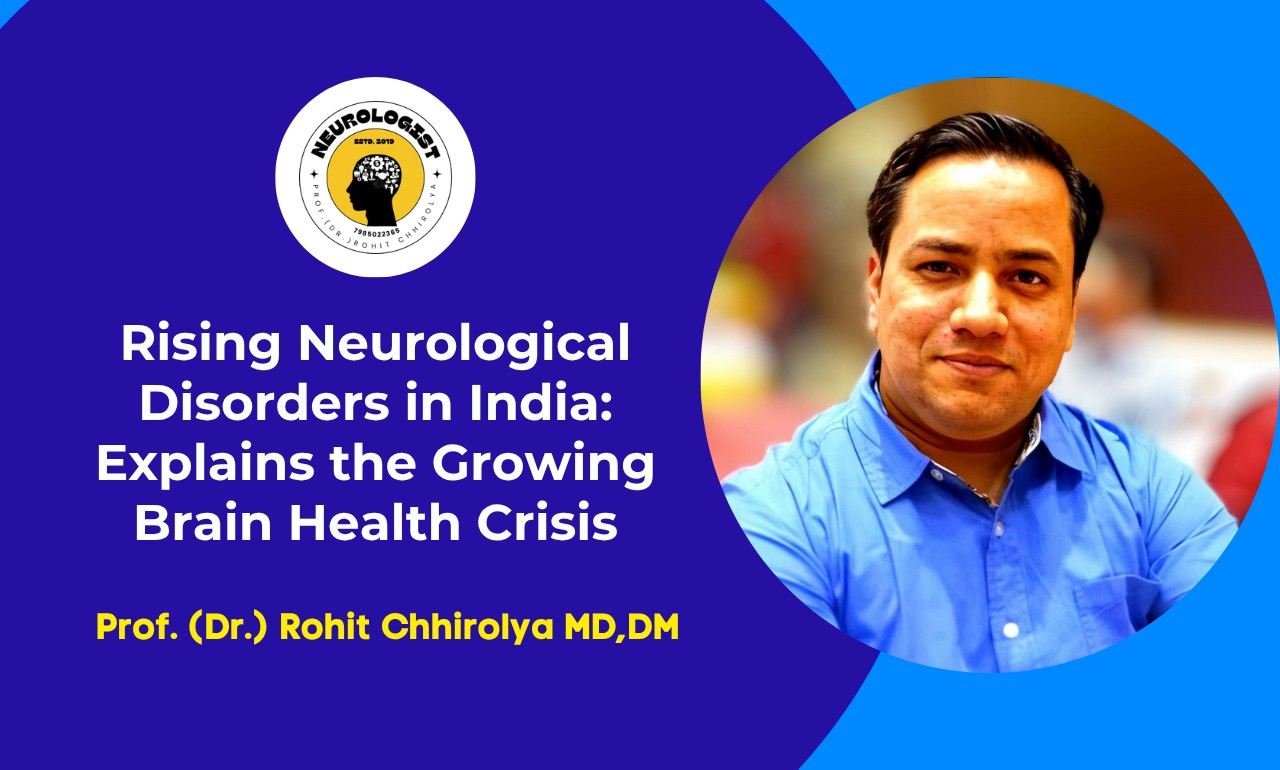
In India, neurological diseases are becoming a major issue for public health. Conditions such as strokes, seizures, headaches, and dementia, alongside other illnesses, can hinder a person’s movement ability, memory, speech, sensation, and everyday activity.
Research linked to disease in India has indicated that the role of the neurological diseases caused by injuries and illnesses in India’s total disease burden has doubled from 1990 to 2019. Among the top illnesses contributing towards the disease burden in India are stroke, headaches and seizures.
This growing burden of diseases makes it necessary for there to be increased emphasis in early diagnosis and timely medical attention being provided in relation to ailments of the brain.
What Are Neurological Disorders?
Neurological disorders can affect the brain, spinal cord, nerves, and the systems that control movement and sensation. These disorders can arise from anything, such as vascular problems, genetic issues, infections and illnesses related to the immune system, metabolic disorders, injuries, neurodegeneration, etc.
Neurological disorders include
- Stroke
- Epilepsy
- Migraine and other headache disorders
- Parkinson’s disease
- Dementia
- Peripheral neuropathy
- Multiple sclerosis
- Motor neuron diseases
- Neuroinfections
- Tumors of the brain or nervous system
The various symptoms and treatments depend on the condition in question.
Why Are Neurological Disorders Becoming a Bigger Health Concern in India?
The growth in the number of individuals experiencing neurological disorders is associated with different overlapping causes. India’s population is aging, and vascular and metabolic risk factors play a significant role in this regard. In addition, the longer life expectancy from certain illnesses leads to an increased number of patients who experience chronic neurological disorders.
According to ICMR’s India State-Level Disease Burden Initiative, the contribution of non-communicable neurological disorders to the overall disease burden has considerably increased between 1990 and 2019, with aging being singled out as one of the drivers behind the rise.
Nevertheless, it does not imply that every neurological disorder is growing at the same pace. Different disorders have unique risk factors and patterns of growth.
Stroke: A Major Neurological Concern
A stroke is characterized by the disruption of blood flow to some part of the brain, as well as the damage that bleeding does to brain tissue. This leads to the generation of symptoms such as sudden weakness, speech issues, asymmetry of facial features, vision abnormalities, loss of balance, and disorientation.
Research conducted by ICMR shows that stroke resulted in around 699,000 deaths in India in 2019, which accounted for 7.4% of deaths that occurred that year.
The principal causes of stroke are:
- Raised blood pressure
- Diabetes
- Exposure to tobacco
- Unbalanced diet
- Lack of exercise
- Elevated level of cholesterol
- Heart problems
- Excessive alcohol intake
However, knowing stroke symptoms can be crucial to getting proper medical treatment in time.
Headache and Migraine Should Not Be Ignored
In India, headache disorders are a major cause of the burden of neurologic disorders. The disorder may sometimes affect concentration, work, education, and overall quality of life. Some secondary disorders may indicate the underlying disease process.
One should not assume that every headache is a migraine headache. Consultation with a neurologist should be done if new headache episodes appear that are unusually severe, worsen, or happen along with neurologic symptoms.
Epilepsy and Seizure Disorders
Another important neurological disorder is epilepsy, and it affects many people all over India. A study called India State-Level Disease Burden Report approximates the number of people suffering from epilepsy in India to be around 10.1 million.
Seizures can be caused by several reasons, and they can be manifested in different manners—a person may have abnormal movements, altered awareness, and strange sensations in addition to other changes in the neurological functioning.
It is crucial to make an accurate diagnosis. Not every case that appears to be a seizure is indeed an example of epilepsy.
Dementia and Age-Related Brain Health
With the increase in longevity, neurological disorders associated with aging like dementia are gaining more attention.
Dementia can result in:
- Memory problems
- Cognitive disorders
- Language problems
- Behavior problems
- Decision-making issues
- Ability to complete daily activities
Normal aging may not necessarily result in the loss of memory or independence. Ongoing or progressive cognitive changes need to be checked by a physician, as some causes might be treatable.
Parkinson’s Disease and Movement Disorders
Parkinson’s disease is a progressive neurological disorder that can affect the ability to move. Symptoms of the disease can range from tremors, slow movements, stiffness, and difficulty standing still.
Other movement disorders will have completely different symptoms. Neurological assessment is essential to differentiate Parkinson’s disease from other tremor disorders, movement problems due to other medications, and other conditions.
Neurological Disorders in Children
Issues relating to brain health can arise not only in adults but also in the pediatric population. Children may be afflicted with the following diseases: epilepsy, cerebral palsy, developmental brain-related disorders, neuromuscular disorders, genetically based neurological disorders, and some other neurodevelopmental disorders.
Parents should consult a doctor when they notice the following alarming signals in their children:
- Problematic behavior
- Delays in the child’s development
- Episodes of seizures
- Unusual movements of the child’s body
- Continuous weakness of the muscles
- Loss of important skills
- Problems with coordination
Risk Factors Behind Neurological Disorders
It’s impossible to completely avert certain neurological disorders, but some risk factors can be managed.
According to ICMR, some such modifiable and non-modifiable risk factors of neurological diseases in India include hypertension, air pollution, dietary imbalances, high fasting plasma glucose, and obesity.
Some practical measures for improving brain health are as follows:
- Management of hypertension and diabetes
- Consumption of a balanced diet
- Regular exercise
- Avoidance of tobacco
- Adequate sleep
- Management of cardiovascular risk factors
- Consultation with a doctor in case of neurological symptoms
Why Early Neurological Evaluation Matters
Timely evaluation can differentiate between transient signs, mild disorders, and grave neurological illness.
According to the clinical signs, the neurologist may recommend:
- Full medical history
- Neurological assessment
- Tests on blood
- Brain imaging techniques such as MRI and CT
- EEG for some conditions connected with seizures
- Nerve conduction studies and/or EMG
- Cognitive evaluation
- Genetic testing in cases when clinically indicated.
Not all patients should receive all tests. The assessments ought to be chosen according to the situation.
The Role of a Neurologist in Managing Neurological Disorders
The neurologist is responsible for diagnosing issues with the brain, spinal cord, nerves, and muscles. Treatment could consist of medications, rehab, lifestyle changes, interventions, or referrals.
There may be a need for coordination with the following professionals regarding complex neurological disorders:
- Neurologists
- Physiotherapists
- Rehabilitation experts
- Neurosurgeons
- Psychiatrists or Neuropsychologists
- Speech therapists
- Occupational therapists
- Other doctors
The objective is not only to treat a disorder but also to maintain the best state of the patient’s neurological health and lifestyle.
Prof. (Dr.) Rohit Chhirolya’s Approach to Brain and Neurological Health
Dr. Rohit Chhirolya of Nilakantha Brain Clinic in Cuttack focuses on a complete neurological evaluation and personalized treatment of the patients.
A specialized approach in the management of neurological disorders includes:
1- Detailed neurological examination.
2- Interpretation of the symptoms.
3- Proper diagnostic tests.
4- Personalized treatment plans.
5- Monitoring of the progress of the disease.
6- Rehabilitation whenever necessary.
7- Education of the patient and his caregivers who will be taking care of him.
In the case of neurological disorders, accurate diagnosis is important to be able to treat the right disease.
When Should You See a Neurologist?
There are occasions when one would need a neurological consultation regarding the following symptoms:
- Sudden loss or feeling of numbness
- Repeated seizures
- Constant headache or changes in headaches
- Loss of memory
- Tremors or movements that are not normal
- Difficulty in maintaining balance
- Progressive muscle weakness
- Constant dizziness and vertigo
- Changes in speech and swallowing
- Loss of coordination
Sudden neurological symptoms need emergency attention, as it could be a potential stroke case.
FAQs About Neurological Disorders
What are neurological disorders?
Neurological disorders are the illnesses that affect the brain, spinal cord, nerves, and muscles, leading to various problems, such as movement, sensation, memory, language, and coordination.
What are the prevalent neurological disorders in India?
Prevalent disorders are stroke, epilepsy, headache disorders, dementia, Parkinson’s disease, neuropathies, and other neurological conditions.
Why is the frequency of neurological disorders rising in India?
Aging, a rise in population, vascular and metabolic risk factors, and easier access to treatment for chronic ailments are responsible for the higher incidence of neurological disorders.
Is it possible to prevent Neurological Disorders?
While blood-pressure control, diabetes control, exercising, eating healthy and quitting smoking may help reduce some risk factors, some neurological disorders cannot be prevented.
When should I consult a neurologist?
Consult a neurologist if you experience neurological symptoms that persist over time. If symptoms occur suddenly, get immediate medical attention.
Conclusion
India has a great number of brain-related diseases showing why brain health is crucial for everyone. It appears that conditions like strokes, epilepsy, headaches, dementia, and Parkinson’s disease have a strong effect not only on individuals, but also on their families and communities.
The evidence about diseases in India proves how important and serious neurological diseases are, which calls for proper care of brain health.
Detection of a disease, timely diagnostics and treatment of risk factors may lead to a considerable improvement. Prof. (Dr.) Rohit Chhirolya – Nilakantha Brain Clinic, Cuttack points out the necessity of personalized approaches providing individual assessment for everyone’s case.
Brain health needs to be addressed throughout the whole life, while knowledge of the brain-related illness is the first step towards achieving the effectiveness of appropriate treatment.
Take the First Step Toward Better Neurological Health:
- Call 7985022365 for appointments
- Schedule Consultation: Nilakantha Brain Clinic
Stay Connected for Brain Health Updates:
- Latest research: Facebook

