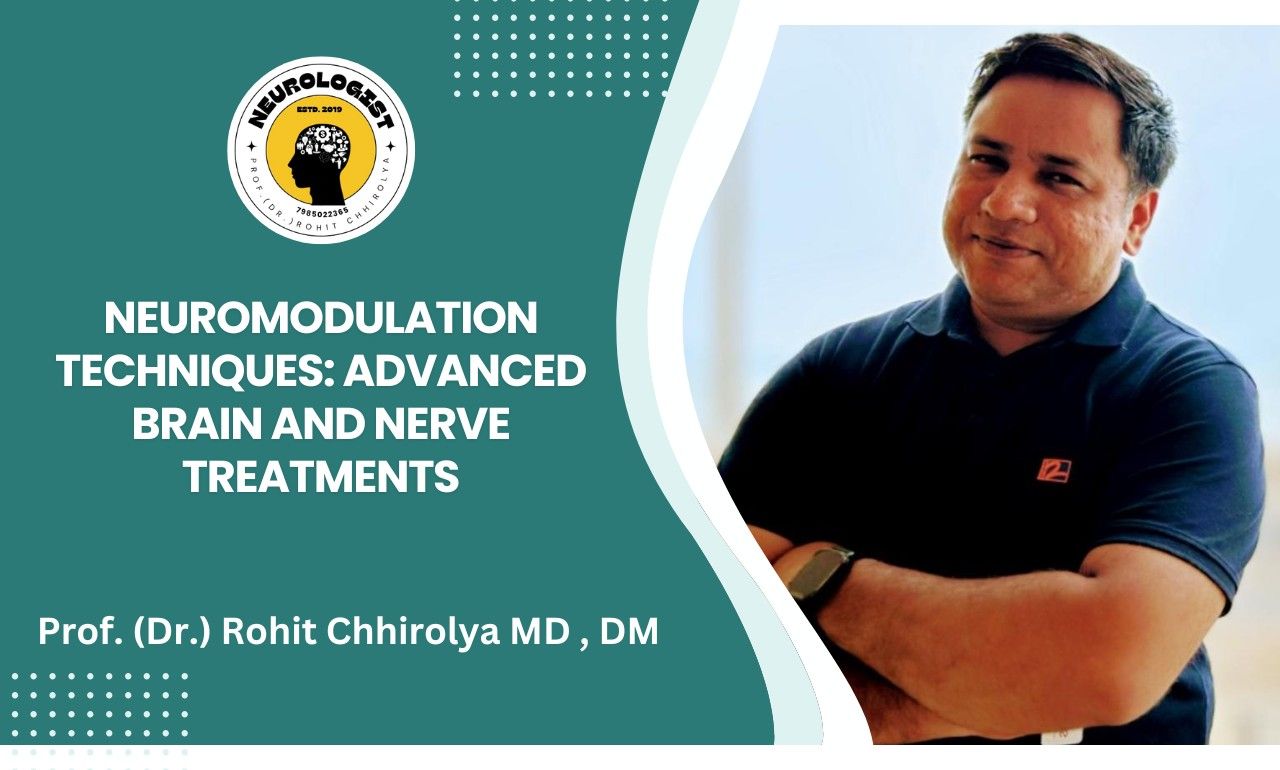
Neuromodulation techniques are taking over rapidly with their supportive capability in the management and treatment of chronic neurological and neuro-mental disorders. These therapies that are very advanced manipulate the nerve and brain activities of abnormal people through the use of controlled electrical or magnetic stimulations. Contrary to the conventional treatments, which are heavily dependent on medication given over a long time, the neuromodulation techniques provide an approach that is very targeted and scientifically guided for the control of symptoms and the balancing of the neurological system.
The increasing awareness and accessibility of advanced neurological treatments in Odisha have led to an increase in the number of patients suffering from conditions like epilepsy, chronic pain, movement disorders, depression, and sleep disorders who are considering neuromodulation techniques as an option for their treatment. If such treatment is under the guidance of a skilled neurologist, these therapies will not only be safe and effective but also lead to long-term gains in head control.
Understanding Neuromodulation Techniques
How Neuromodulation Techniques Work
The human nervous system is a complex network of nerve cells that communicates via electrical signals. When these signals lose their normal regulation, the nervous system may respond with symptoms such as seizures, pain, involuntary movements, or even muscle spasms. Some neuromodulation techniques are geared to gain control over electrical pathways in a healing way.
Stimulation administered in a precise manner to specific region of the nervous system is what’s termed as neuromodulation therapy, and it aids in the normalization of nerve activity without suppression of the body as a whole. This treatment option becomes quite important for those patients who have not responded well to the conventional neurological treatment options.
Role of Electrical and Magnetic Stimulation
Neuromodulation therapy is majorly based on:
- Electrical stimulation, which alters the signaling pathways of nerves
- Magnetic stimulation, which impacts the functions of the brain without resorting to surgery
Both the procedures are done under strict planning and supervision of medical practitioners to guarantee safety and effectiveness of the patients in the long run.
Differences Between Modern and Traditional Approaches
Modern approaches to neurology, which are called “non-invasive,” usually consist of a system of medication that works by acting throughout the body. On the other hand, the neuromodulation techniques allow the physician to work on a certain part of the nerve that causes the symptoms, and the patient gets only a small amount of the drug as a result.
Classifications of Neuromodulation Techniques
There are many types of neuromodulation techniques that are established and recognized, each one directed towards particular neuronal requirements.
Non-Invasive Neuromodulation Techniques
Non-invasive neuromodulation consists of non-surgical external devices that stimulate nerves or brain areas. These treatments are safe and comfortable for the patients thus they are most widely used in addition to the fact that sometimes they are given under the supervision of expert neurologists.
Electrical Nerve Stimulation
Electric nerve stimulation applies weak electric impulses to certain nerves, blocking or changing pain signals. One of the neuromodulation therapies is being widely applied in chronic pain, migraine, and neuropathic disorders where drugs provide low relief.
Brain Stimulation Therapies
Neuromodulation techniques are the most advanced brain stimulation treatments that directly alter the functioning of certain brain areas and thus are employed in the treatment of seizure activity, mood alteration, and motor control. These methods offer great assistance in the treatment of:
- Epilepsy
- Depression resistant to medication
- Certain movement disorders
These therapies are capable of improving brain functions by direct stimulation of the neural circuits.
Peripheral Nerve Modulation
Peripheral nerve modulation is a technique that operates on nerves located outside the brain and spinal cord. This approach to Neuromodulation is among the most effective in chronic pain management, headache disorders, and nerve injuries when conservative treatments have failed.
In most cases of routine neurological practice, only safe, evidence-based neuromodulation treatments are considered.
Diseases Treated with Neuromodulation Techniques
Neuromodulation is a rarefied technique that supports treatment in a whole slew of chronic neurological and neuro-mental conditions.
Epilepsy
For instance, in epileptic patients where no further medications can be given due to lack of response or side effects, the Neuromodulation therapy helps in regulating the electric brain activity to a normal range. Moreover, these treatments accrue fewer seizure episodes and attain better long-term control of seizures when administered and monitored by a specialist.
Chronic Headache and Migraine
Altering pain-processing pathways in the nervous system is one way of doing this, for instance, certain neuromodulation techniques can help to reduce the frequency and the intensity of chronic headaches and migraines.
Movement Disorders
Neuromodulation therapy targeting brain areas controlling motor activity could be considered as a Parkinson’s disease treatment since it helps in tremor reduction, stiffness, and mobility issues.
Chronic Pain
Chronic pain goes through the process of nerve signaling changes at the source. Neuromodulation therapy, on the other hand, promises to give a very precise pain-relieving effect and, depending on the case, could even help reduce the use of long-lasting pain medicines.
Depression and Neuro-Mental Conditions
Non-invasive brain stimulation is a well-known method used in the treatment of depression through neuromodulation, particularly for patients who have not achieved satisfactory results with traditional antidepressants. These therapeutic approaches assist in the re-establishment of normal brain network activity.
Sleep Disorders
Some sleep disorders that are caused by the malfunction of the nervous system may be treated with neuromodulation therapy when other methods fail to provide more than negligible relief.
Role of Neurology in Neuromodulation Therapy
Neuromodulation techniques will always be performed under the supervision of a trained neurologist. The input of a specialist is crucial to:
- Formulate a correct neurological diagnosis
- Decide on the patient’s good points for neuromodulation therapy
- Administer the treatment in a safe and accurate manner
- Keep track of the long-term results and change the treatment if necessary
The neurologist’s knowledge makes it possible for each patient to experience the full benefits of neuromodulation and at the same time be completely safe.
Dr. Rohit Chhirolya’s Expertise in Advanced Neurological Treatments
Dr. Rohit Chhirolya, a senior neurologist with DM Neurology and more than 19 years of clinical experience, is very much considered his field’s expert when it comes to treating complicated neurological disorders. He takes an ethical approach to the whole process—right from the diagnosis stage through to the patient care—a basis on which he builds his decisions, utilizing the latest available evidence and methods.
The use of neuromodulation techniques is always carefully thought of, rather than just being a mere component of the wider neurological management plan to be used, when necessary, and beneficial to the patient’s long-term health.
Clinic Overview – Nilakantha Brain Clinic, Cuttack
In Cuttack, Nilakantha Brain Clinic is a reputed clinic that specializes in the treatment of neurological disorders. They offer a complete evaluation and long-term management of such diseases. The clinic is very particular about the safety of its patients, precise diagnosis, and therapeutic strategies that are clearly defined.
The main services provided are:
- Advanced neurological consultations
- Customization of neuromodulation therapy according to the individual patient
- Hearing referrals through EEG and MRI/CT for diagnostics if necessary
- Long-term treatment of chronic neurological disorders
While the clinic is recognized for its professionalism and compassion in providing advanced neurological treatments in Odisha.
Advantages of Neuromodulation Techniques
The most significant advantages of Neuromodulation Techniques are as follows:
- Methods of treatment that are either non-invasive or at least minimally invasive
- Stimulation of specific nerves and areas of the brain
- Possibility of reduction in the amount of medication taken
- Better control of symptoms and improved living conditions
Expert neurologists when guiding, neuromodulation therapy aids in the sustainable aspect of neurological care for chronic conditions.
The Need for Expert Guidance
Unregulated or unsupervised neuromodulation therapies might present safety challenges. Expert neurological supervision guarantees:
- Correct diagnosis
- Right therapy choice
- Safe conducting of treatments
- Long-term patient monitoring and follow-up
Personalization of neurological care is very important in order to get the best results from Neuromodulation Techniques.
Reasons of Trust from Patients towards Nilakantha Brain Clinic
Nilakantha Brain Clinic is trusted by patients due to:
- Ethical, evidence-based neurological treatments
- Precise diagnosis and personalized treatment strategies
- Long-term assistance for chronic neurological disease
- Recognized neurological expertise in Odisha
Safety, transparency, and continuity of care are guaranteed by the clinic’s patient-centric policy.
FAQs on Neuromodulation Techniques
What is neuromodulation therapy?
It is an approach to treatment where controlled electrical or magnetic stimulation is used to alternately help the nerve or brain activity.
Is neuromodulation safe?
When a neurologist is in charge, it is regarded as safe and effective.
Who can benefit from neuromodulation?
Chronic users of the neurological or neuro-mental conditions might be granted eligibility after undergoing a specialist evaluation.
Can it reduce medication use?
In some cases, it might assist in weaning off from long-term dependency on medication.
Is the treatment painful?
Most of the therapies give rise to little or no discomfort at all.
Conclusion
Neuromodulation methods have turned into a precious segment of contemporary neurology, granting precision and less invasive ways of dealing with chronic neurological ailments. Early detection and a neurological specialist’s help are very significant for positive results.
Patients who want to get the best treatment available are invited to meet Dr. Rohit Chhirolya at Nilakantha Brain Clinic, Cuttack, where the highest ethical standards, clinical skills, and long-term neurological wellness are the main concerns.
Take the First Step Toward Better Neurological Health:
- Call 7985022365 for appointments
- Schedule Consultation: Nilakantha Brain Clinic
Stay Connected for Brain Health Updates:
- Latest research: Facebook