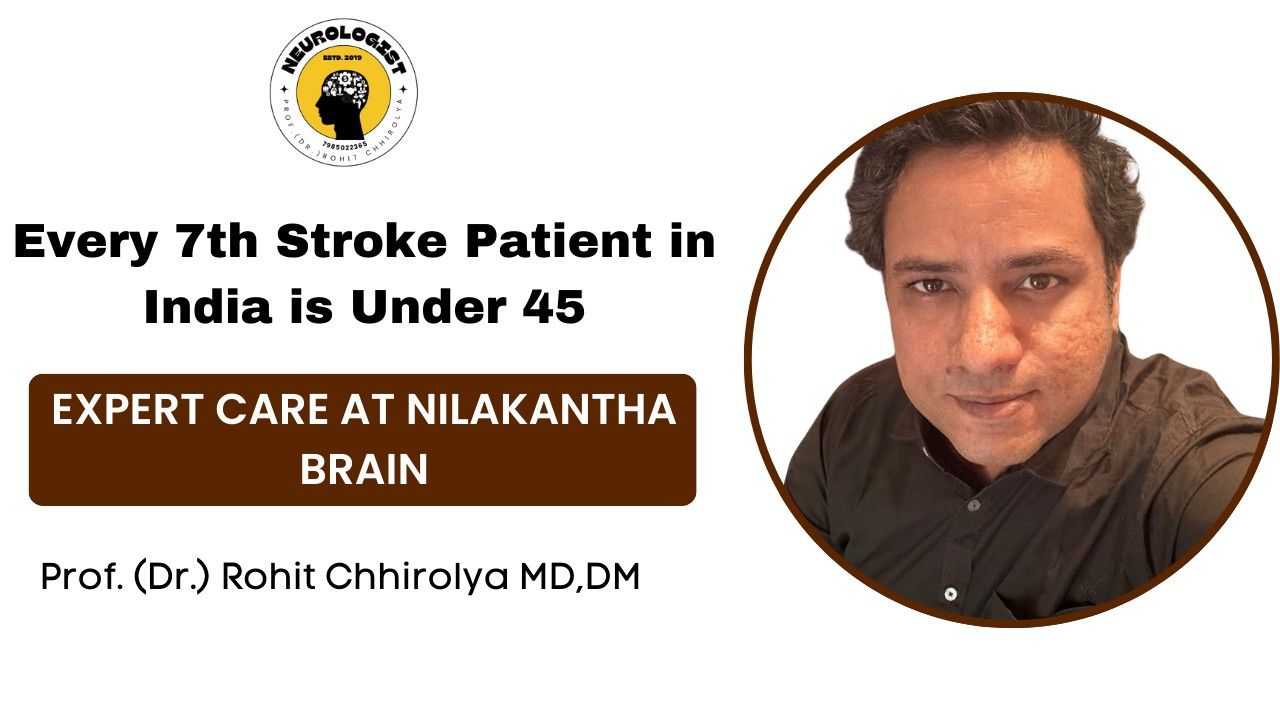
Every 7th Stroke Patient in India is Under 45, a statistic that challenges the long-held belief that stroke is only a disease of old age. The number of young stroke patients who require treatment at hospitals throughout India continues to increase because many of these patients belong to their most productive age range.
The increasing number of strokes among people younger than 45 years presents a serious public health threat. The combination of sedentary work environments which create high stress levels together with lifestyle medical conditions and slow medical response times leads to increased stroke cases among younger people. The current population of stroke patients includes working adults and business owners and parents who are still raising their children. The fact that Every 7th Stroke Patient in India is Under 45 proves that stroke now affects people who belong to younger age groups.
The practice of urgent neurological treatment delivers essential care in the state of Odisha. Dr. Rohit Chhiroliya leads Nilakantha Brain Clinic, which provides patients with evidence-based stroke assessment and comprehensive treatment programs. The results of early consultation with a proficient stroke specialist in Odisha lead to improved patient outcomes and reduced disability effects that continue over time.
Understanding Why Stroke is Increasing in Young Indians
The fact that the 7th stroke patient in India is under 45 demonstrates the substantial changes in health and lifestyle that have taken place in urban and semi-urban areas.
Sedentary Lifestyle
People who work at desks for extended periods without exercising and who spend too much time watching screens throughout the day face higher chances of developing obesity, hypertension, and metabolic disorders. The human body requires movement because its absence affects the ability of blood vessels to function properly and deliver blood to the brain.
High Stress Levels
When people experience chronic stress, their cortisol levels and blood pressure measurements increase. Over time this process leads to arterial damage, which makes it more likely that blood clots will form or blood vessels will break.
Smoking and Alcohol
Tobacco usage leads to vascular damage, which results in accelerated plaque accumulation. Heavy drinking leads to both elevated blood pressure and compromised blood vessel strength, which together create two major risk factors for stroke among people below 45 years of age.
Uncontrolled Diabetes & Hypertension
Young adults often ignore early warning signs of diabetes and high blood pressure. Undiagnosed or poorly controlled metabolic conditions increase stroke risk because they have become the reason why every 7th Stroke Patient in India is under 45.
Obesity and High Cholesterol
Atherosclerosis develops through elevated cholesterol levels, which lead to arterial constriction that affects brain blood flow. Ischemic stroke develops when blood circulation becomes obstructed.
Late Diagnosis
Young people show a tendency to postpone medical help after experiencing initial neurological signs, which include temporary weakness, difficulties with speech, and visual disturbances.
Why Early Consultation with a Stroke Specialist Matters
Brain tissue is extremely vulnerable to damage from oxygen deprivation. After a stroke starts, millions of brain cells begin to die within the first few minutes.
The Golden Hour
The first hour after symptoms start requires immediate assessment because it can prevent life-threatening conditions. The medical system can mitigate permanent harm when it identifies patients through early diagnosis.
Risk of Permanent Disability
Delayed treatment may lead to:
- Paralysis on one side of the body
- Speech impairment
- Memory disturbances
- Behavioral changes
Given that every 7th stroke patient in India is under 45, young adults must treat sudden neurological symptoms as emergencies.
Prevention of Recurrent Stroke
A first stroke significantly increases the risk of recurrence. People who experience stroke symptoms should contact brain specialists in Odisha for their medical needs because these experts will provide complete stroke prevention programs together with ongoing patient assessment.
About Dr. Rohit Chhiroliya
Dr. Rohit Chhiroliya works as a neurologist at Nilakantha Brain Clinic, which serves patients in Cuttack. He conducts complete neurological examinations to develop treatment plans that use scientific proof for managing stroke patients and other brain conditions.
His approach emphasizes:
- Detailed neurological assessment
- Accurate diagnosis
- Individualized treatment planning
- Risk factor modification
- Long-term rehabilitation guidance
With increasing cases where every 7th stroke patient in India is under 45, Dr. Chhirloiya concentrates on developing methods for identifying strokes in younger people and studying ways to prevent neurological disorders.
The clinic establishes its medical practices through ethical standards while providing clear information to patients, which supports their primary model of care.
How Stroke is Diagnosed & Managed at Nilakantha Brain Clinic
Early Stroke Symptom Recognition
Patients receive training to identify warning signs which include facial drooping, arm weakness, speech difficulty, sudden confusion, severe headache and vision loss. The evaluation should be conducted without delay because it helps to reduce complications that affect every 7th Stroke Patient in India is under 45.
Detailed Neurological Examination
The structured clinical examination evaluates patients’ motor strength and reflexes and coordination skills and cranial nerve abilities and cognitive function. The assessment process enables doctors to determine which brain areas sustain injuries.
Brain Imaging Coordination (CT/MRI)
The diagnostic centers work with medical facilities to schedule imaging studies that include CT scans and MRIs, which help identify different types of strokes, which are either ischemic or hemorrhagic.
Risk Factor Assessment
The complete assessment process evaluates blood pressure and blood sugar levels and cholesterol measurements and cardiac risk factors and lifestyle habits that lead to stroke development in individuals who are younger than 45 years.
Stroke Prevention Strategy
The preventive measures include the following items:
- Antiplatelet or anticoagulant therapy (when indicated)
- Blood pressure control
- Diabetes management
- Cholesterol reduction
- Lifestyle modifications
Long-Term Stroke Rehabilitation & Monitoring
Structured stroke rehabilitation in Odisha includes physiotherapy coordination, speech therapy referrals, and cognitive rehabilitation planning. Regular follow-ups ensure recovery progression and prevention of recurrence.
Stroke Complications in Younger Patients
The statistic that every 7th stroke patient in India is under 45 shows how socioeconomic status and personal life of people with this condition will be affected for many years to come.
Ischemic Stroke
This condition occurs when blocked arteries prevent blood from reaching the brain. It is the most common type in young stroke patients in India.
Hemorrhagic Stroke
This medical condition occurs when blood vessels that have become weak because of high blood pressure problems rupture.
Transient Ischemic Attack (TIA)
The TIA medical condition, commonly known as a mini-stroke, shows symptoms that last less than 24 hours, but this condition indicates that the patient faces a high risk of future strokes.
Post-Stroke Paralysis
People who experience weakness or paralysis on one side of their body face severe challenges with both getting work done and living their daily lives.
Speech and Cognitive Issues
People who suffer from stroke before reaching 45 years of age develop three common symptoms, which include difficulty speaking, memory loss, decreased ability to concentrate, and changes in their personality.
The process of functional recovery from stroke improves when people in Odisha receive initial treatment from stroke specialists.
Advanced Stroke Care Approach in Odisha
Nilakantha Brain Clinic uses its management system to organize continuous medical treatment. Every 7th Stroke Patient in India is Under 45 demonstrates the growing need for prevention-oriented neurology programs in Odisha.
Structured Evaluation Protocol
The evaluation process uses systematic assessment methods to detect all possible underlying risk factors.
Medication Management
The medical team reduces the likelihood of stroke recurrence through their precise medication prescription practices and ongoing stroke-related medication supervision.
Blood Pressure & Diabetes Control
The aggressive modification of risk factors becomes necessary because7th stroke patient in India is under 45, and multiple stroke cases remain preventable.
Lifestyle Modification Guidance
Things you can do to help yourself:
- Try to eat a balanced diet with plenty of vegetables and fruit.
- Keep active by exercising regularly.
- Try quitting smoking if you are a smoker.
- Work to find ways to lower stress in your life.
Personalized Stroke Rehabilitation in Odisha
Rehabilitation programs are customized according to two factors which include the degree of neurological impairment and the treatment objectives of patients.
Regular Neurological Follow-Up
Therapeutic assessment continues throughout the treatment process to monitor patient progress and make necessary treatment modifications.
Why Nilakantha Brain Clinic is Trusted for Young Stroke Patients
- The Cuttack city dedicated neurology clinic provides specialized services for patients with neurological disorders.
- The treatment program for patients will create personalized recovery plans that guide them throughout their process.
- The medical team will create preventive measures to stop patients from experiencing their first stroke.
- The consulting service provides both ethical standards and complete transparency during its operations.
- The clinic offers full access to its services for patients who reside in the Odisha region.
- The medical team will provide ongoing treatment for patients who need continuous neurological assessment.
Given the reality that every 7th stroke patient in India is under 45 in India, specialized neurological supervision becomes a necessity for treating strokes immediately and for preventing them throughout life.
FAQs
Is it true that every 7th stroke patient in India is under 45?
Yes, recent data indicates that Every 7th Stroke Patient in India is Under 45, highlighting a rising trend of stroke in younger adults due to lifestyle and metabolic risk factors.
Why are strokes increasing among young adults?
People aged 45 and younger develop stroke because of multiple factors which include their inactive way of life and their tendency to smoke and their experience of stress and their battle with obesity and hypertension and diabetes.
What are early warning signs of stroke in young people?
Sudden weakness on one side, slurred speech, facial drooping, vision problems, confusion, or severe headache require immediate neurological evaluation.
Who is the best stroke specialist in Odisha?
People who need stroke treatment in Odisha usually choose experienced neurologists. Dr. Rohit Chhiroliya at Nilakantha Brain Clinic provides treatment based on the specific needs of his patients after conducting medical assessments.
5. Can young stroke patients recover completely?
Recovery depends on early diagnosis, stroke type, and rehabilitation. Since Every 7th Stroke Patient in India is Under 45, timely neurological care and structured follow-up are essential for better outcomes.
Conclusion
Every 7th Stroke Patient in India is Under 45, and the young adult population needs to focus on this statistic, which requires immediate action in the entire state of Odisha and throughout India. The elderly no longer represent the exclusive age group at risk for strokes because delayed medical care results in permanent physical impairment.
If Every 7th Stroke Patient in India is Under 45 then medical professionals need to implement three specific health measures which include early identification of dangerous health conditions and development of rehabilitation programs. The Nilakantha Brain Clinic in Cuttack provides early neurological assessment which enables medical professionals to create structured diagnosis procedures and develop risk management systems for long-term stroke prevention throughout Odisha.
You should not wait if you or someone close to you shows warning signs. Schedule your appointment today to receive expert neurological care which will help you maintain your brain health.
Take the First Step Toward Better Neurological Health:
- Call 7985022365 for appointments
- Schedule Consultation: Nilakantha Brain Clinic
Stay Connected for Brain Health Updates:
- Latest research: Facebook