Refractory Epilepsy in Odisha still feels like a big neurological issue for a lot of patients, and honestly also for their families. Most people who have epilepsy do manage better seizure control by using anti-seizure medicines, but many others keep having frequent seizures even after they try multiple drugs. This happens even when the doctors have changed the treatment more than once. When this kind of ongoing problem keeps going, it is usually called drug-resistant or refractory epilepsy. And because seizures don’t just stay medical, they can disturb education, employment, personal relationships, and the overall quality of life too.
The good part is that neurological care has been improving, so new options are slowly becoming available for people who are living with uncontrolled seizures. One medicine that has been getting attention is cenobamate; this newer anti-seizure drug has shown promising results in selected adults with focal seizures. Of course, it won’t fit everyone, and it should not be started casually. Still, it’s an important step in modern epilepsy care, especially when it is considered only after a careful neurological assessment.
At Nilakantha Brain Clinic, Cuttack, Prof. (Dr.) Rohit Chhirolya, an experienced neurologist, focuses on the idea that every epilepsy patient deserves a treatment plan that is tailored to them, not a generic one. He looks closely at the correct diagnosis, seizure category, medical background, and even daily routine factors. By doing thorough evaluations and using evidence-based care, he guides patients on the most suitable ways to address refractory epilepsy in Odisha, with the goal of improving seizure control and helping well-being feel steadier day by day.
Understanding Refractory Epilepsy in Odisha
Epilepsy is a neurological condition where people have recurrent seizures due to abnormal electrical signals happening inside the brain. Lots of patients do pretty well with the usual anti-seizure medicines, but some still keep having seizures even after they’ve tried the correct treatment in a proper way.
This is often called drug-resistant epilepsy, or refractory epilepsy. In international definitions, epilepsy counts as drug resistant only when seizures go on happening despite two good trials of anti-seizure drugs that were chosen well, used at tolerated doses, and taken appropriately.
For many people living with refractory epilepsy in Odisha, day-to-day life can start to feel harder and harder. Frequent seizures can interrupt education, employment, driving, even traveling, and the ability to live on their own. Meanwhile, families commonly feel serious emotional pressure when they keep switching medications, trying many options, but still don’t get a decent level of seizure control.
Seeing a neurologist early, and with experience, is very important. Because ongoing seizures may need more advanced tests, careful medication changes, or special treatment plans rather than simply repeating medication switches without a full evaluation first.
Why Refractory Epilepsy in Odisha Needs Better Treatment Options
Despite remarkable advances in epilepsy care, uncontrolled seizures continue to affect thousands of patients across India.
People living with refractory epilepsy in Odisha often experience challenges beyond seizures themselves.
These may include:
- Reduced confidence
- Workplace difficulties
- Learning problems
- Anxiety and depression
- Social isolation
- Increased risk of injury during seizures
- Reduced independence
Think about a young software engineer who keeps getting focal seizures every month, even though he takes two prescribed medications. He is physically okay, but the dread of another episode ruins his work output and also messes with his social life.
In a similar way, a college student might steer away from extracurricular activities. Unpredictable seizures can lead to awkwardness, and that embarrassment turns into real anxiety, like it sort of sticks around.
So, these situations show why newer treatment approaches should be looked at seriously, and ideally under specialist supervision, not just casually.
What is Cenobamate?
Cenobamate is kind of a newer anti-seizure medication that’s been approved in a number of countries for focal onset seizures in adults. It seems to get a lot of attention, mainly because clinical studies showed real seizure reduction for quite a few patients whose seizures stayed uncontrolled even after earlier therapies.
What makes Cenobamate stand out a bit is that it doesn’t rely on just one method. It uses multiple mechanisms that help steady abnormal electrical signaling in the brain. Basically, it reduces overly intense nerve cell firing that can set off seizures, and it does so in a few different ways, not just one.
Still, it’s crucial to remember that Cenobamate is not a “cure” for epilepsy. It’s better viewed as an additional option among several that may help some patients gain better seizure control but only when they’re carefully selected.
Also, there’s the whole dose escalation part. Cenobamate is introduced slowly, step by step, usually while the patient is monitored; this helps with tolerability and lowers the chance of side effects.
Lastly, patients should never start, stop, or change the dose of cenobamate on their own. This needs medical guidance from an experienced neurologist each time.
How Cenobamate May Help Patients with Refractory Epilepsy in Odisha
For selected adults with focal seizures, Cenobamate has demonstrated promising clinical outcomes. Although every patient’s response is different, many individuals have experienced meaningful improvements after specialist evaluation.
Potential benefits may include:
Better Seizure Reduction
Clinical studies suggest that Cenobamate may significantly reduce seizure frequency in some patients who previously had uncontrolled epilepsy.
For individuals facing refractory epilepsy in Odisha, even a noticeable reduction in seizure frequency can greatly improve daily functioning.
Improved Seizure-Free Rates
Some carefully selected patients have achieved prolonged seizure-free periods during treatment. However, results vary, and no medication guarantees complete seizure control.
This is why individualized treatment planning remains essential.
Improved Quality of Life
Better seizure management often allows patients to participate more confidently in work, education, travel, and social activities.
Reduced seizure frequency may also lessen emotional stress experienced by both patients and caregivers.
Better Daily Functioning
Patients who experience fewer seizures often report improvements in concentration, confidence, independence, and overall productivity.
These improvements can positively influence both personal and professional life.
Reduced Seizure Burden
The overall goal of epilepsy treatment is not only reducing seizures but also minimizing their impact on daily living.
For many patients with refractory epilepsy in Odisha, achieving fewer seizures can improve safety, independence, and emotional well-being.
Who May Be Suitable for Cenobamate?
Not every epilepsy patient needs Cenobamate, not even close. A neurologist figures out if it’s suitable after looking through the medical history, checking the seizure type, thinking about past medicines, and assessing overall health too.
Patients who may benefit from specialist evaluation include the following:
- Adults with focal seizures
- Individuals whose seizures continue despite two or more anti-seizure medications
- Patients experiencing uncontrolled epilepsy affecting daily life
- Those requiring advanced epilepsy treatment options
Because every case is different, treatment decisions should always be personalized.
How Dr. Rohit Chhirolya Evaluates Patients
Before suggesting any “advanced” epilepsy treatment, Dr. Rohit Chhirolya does a broad neurological check at Nilakantha Brain Clinic.
That assessment usually involves things like, but not limited to:
Detailed Medical History
Understanding seizure onset, duration, frequency, previous medications, and family history provides valuable diagnostic information.
Seizure Pattern Analysis
Each seizure type is carefully reviewed to determine whether the patient has focal epilepsy or another seizure disorder.
Medication Review
Current and previous anti-seizure medications are evaluated to understand treatment response and identify possible adjustments.
MRI Brain
Brain imaging helps identify structural abnormalities that may contribute to epilepsy.
EEG (Electroencephalogram)
EEG records electrical activity in the brain and supports accurate epilepsy diagnosis.
Blood Investigations
Routine laboratory tests may identify underlying medical conditions or medication-related concerns.
Lifestyle Assessment
Sleep patterns, stress levels, alcohol intake, the work schedule, and various other day-to-day habits are reviewed because they can really affect seizure control. Sometimes it’s not just one thing, more like a whole mix.
Personalized Treatment Planning
After folding in clinical findings, diagnostic reports, and what the patient prefers, Dr. Rohit Chhirolya puts together a personal management plan, mostly aimed at better seizure control but still keeping the day-to-day quality of life.
Instead of using a single template, the plan is adapted to the person’s particular neurological situation, so the care stays evidence-driven for people living with refractory epilepsy in Odisha.
Safety Considerations with Cenobamate
While cenobamate might be some important step forward for epilepsy care, it should be only used with the direct oversight of an experienced neurologist. Careful patient picking and routine follow-up are key for keeping the treatment both safe and effective, even if the goal sounds straightforward.
Slow Dose Escalation
One of the more crucial parts of cenobamate therapy is slow, gradual dose titration. When the dose increases step by step, it helps cut down the possibility of unpleasant reactions, and it also gives the body time to get used, kind of calmly, to the medicine.
Drug Interactions
Cenobamate can have interactions with other anti-seizure medicines and also with some prescription medications. Patients should let their neurologist know about each medicine, supplement, or herbal product they’re using before starting the treatment.
Monitoring for Side Effects
Like most antiepileptic medicines, cenobamate can trigger side effects for some people. Typical worries might be dizziness, sleepiness, or that heavy fatigue feeling, as well as trouble with balance and coordination. Generally, many patients get through the course fairly well once the dosage is tuned slowly; however, if anything unusual shows up, you should notify your clinician right away.
Never Stop Medication Abruptly
Suddenly stopping your epilepsy medication can up the chance of breakthrough seizures or sometimes even a seizure emergency situation. So changes to any of these meds should not be done “on your own”; they need to be done under medical supervision, no exceptions, even if it feels better for a bit.
For people living with refractory epilepsy in Odisha, having regular neurology follow-ups is a key element of long-term seizure control, and it really does matter over time.
Comprehensive Care Beyond Medication
Medication is only part of successful epilepsy management. For people with refractory epilepsy in Odisha, many times a more holistic way helps too—something that also looks at daily routine, mental well-being, and family backing, not just the drug side of it.
First, prioritize good sleep
Sleep loss is a well-known seizure trigger. Keeping a steady sleep schedule may help with seizure control, and it can make a difference over time.
Next take medicines consistently
For breakthrough seizures, missing doses is one of the most common causes. Using reminders, or even a pill organizer, can support better medication adherence and keep things on track.
Manage Stress
Emotional stress can maybe contribute to seizure happenings in some people. Relaxation ideas, meditation, breathing practices, and counseling might be helpful, especially if your life feels a bit overwhelming.
Eat a Balanced Diet
Even if eating alone can’t fix epilepsy, healthy nutrition helps support general brain and body well-being. So, it’s still worth doing consistently.
Identify Personal Triggers
Some patients notice seizures after sleep loss, sickness, alcohol use, flickering or flashing lights, or too much pressure. Spotting your own triggers can help cut down on seizure frequency over time.
Educate Family Members
Family members should learn seizure first aid basics, like what to do and when emergency medical attention is needed. That simple knowledge can matter a lot.
Maintain Regular Follow-Up
Keeping regular check-ins lets the neurologist track seizure control, how medications are going, and your overall quality of life. Continued follow-up is often important.
Why Choose Nilakantha Brain Clinic for Refractory Epilepsy in Odisha
Patients who are looking for advanced treatment for refractory epilepsy in Odisha often need an experienced neurological check-up and a treatment plan that is made for them personally. At Nilakantha Brain Clinic in Cuttack, we provide broad, end-to-end care for people dealing with epilepsy and several other neurological disorders also.
The clinic offers:
- Comprehensive neurological consultations
- Detailed epilepsy evaluation
- EEG and neurological investigations
- Personalized medication planning
- Long-term seizure monitoring
- Evidence-based treatment recommendations
- Patient and caregiver education
- Online and in-person consultations
- Compassionate follow-up care
This focus is not only on cutting down seizure frequency a bit but also on helping patients get a better quality of life through tailored care, the individualized kind, so to say.
About Dr. Rohit Chhirolya
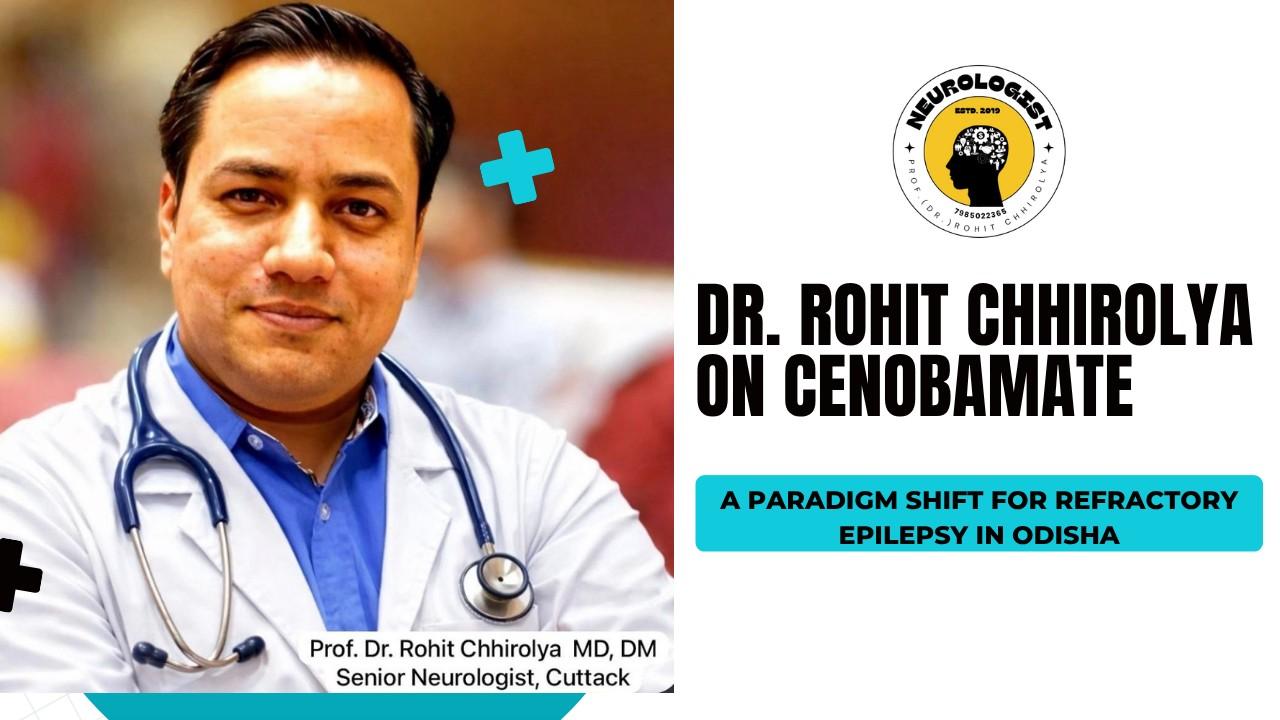
Prof. (Dr.) Rohit Chhirolya is an experienced neurologist who’s dedicated to providing overall care and attention for patients with epilepsy, stroke, movement disorders, headache disorders, neuropathies, and other neurological matters too.
His clinical approach emphasizes:
- Accurate diagnosis
- Evidence-based treatment
- Personalized care plans
- Long-term neurological monitoring
- Patient education
- Shared decision-making
For people who have refractory epilepsy in Odisha, Dr. Rohit Chhirolya carefully looks at seizure history, earlier treatments, diagnostic findings, and lifestyle patterns before suggesting advanced management choices like cenobamate when it is clinically appropriate.
At Nilakantha Brain Clinic, Cuttack, patients get tailored neurological attention, meant to help with seizure control at the same time as supporting general wellness.
Lifestyle Tips for Better Brain Health in Epilepsy
Even though medication is still basically the cornerstone of epilepsy treatment, the daily habits you keep can kind of help along with medical care and also lend support to general brain function, or something like that.
Try to Stay Physically Active
Regular movement might help with your mood, your cardiovascular health, and that overall quality of life feeling. Pick activities based on what the neurologist recommends and what feels safe for you in real life.
Choose Nutritious Meals
Go for a balanced eating pattern with fruits, vegetables, whole grains, lean proteins, and wholesome fats. This kind of meal structure supports general well-being more than people think.
Avoid alcohol, and recreational drugs
These substances can mess with seizure control, or they might mix badly with anti-seizure medications.
Manage other medical conditions
When diabetes, high blood pressure, thyroid issues, and similar problems are kept under control, the nervous system generally does better.
Keep regular medical appointments
Steady check-ins help make sure the medicines are still working, and they also allow quick changes if the seizure rhythm starts changing.
FAQs on Refractory Epilepsy in Odisha
What is refractory epilepsy, like, really?
Refractory epilepsy is basically when seizures keep happening even though a person is taking the correct anti-seizure medicines. If someone has refractory epilepsy in Odisha, it helps to see a neurologist for more focused, specialized help, not just routine care.
Is cenobamate suitable for everyone or not?
No, not for everyone. Cenobamate is usually started only after a neurologist looks at the patient with refractory epilepsy in Odisha and then decides whether this option makes sense for that case, based on their evaluation.
Can cenobamate cure epilepsy?
No. Cenobamate doesn’t cure epilepsy outright, but for some patients with refractory epilepsy in Odisha, it may reduce the number of seizures and help with overall control.
When should I see an epilepsy specialist
You should book a visit if the seizures are continuing even with the prescribed medicines or if they start increasing in frequency. This can be a sign of refractory epilepsy in Odisha, so an earlier review is better.
Where can I get treatment for refractory epilepsy in Odisha?
For expert assessment and treatment, you can consult Prof. (Dr.) Rohit Chhirolya at Nilakantha Brain Clinic, Cuttack. They provide specialized evaluation for refractory epilepsy in Odisha so patients can get proper guidance on next steps.
Conclusion
Staying with refractory epilepsy in Odisha can feel really challenging, yet improvements in neurological care are opening up fresh doors for people whose seizures stay uncontrolled. Cenobamate is now being viewed as one important option among the treatment pathways for certain adults with focal epilepsy, and it may help bring better seizure contrevaluation anden ievidence-basedfter careful specialist review.
Of course, good epilepsy support is more than just one medicine. Getting the diagnosis right, building a plan that fits the person, making lifestyle adjustments, attending regular check-ins, and having steady family backing all play a role in longer-term outcomes. Each patient deserves a strategy that matches their own health status and everyday life, not a one-size-fits-all idea.
If you, or someone close to you, is still having seizures even after treatment, please don’t wait. Arrange a specialist neurological consult with Prof. (Dr.) Rohit Chhirolya at Nilakantha Brain Clinic, Cuttack, for a detailed evaluation and evidence-based management of Refractory Epilepsy in Odisha. Acting early and receiving truly personalized care can change how seizures behave, and it can improve everyday quality of life.
Take the First Step Toward Better Neurological Health:
- Call 7985022365 for appointments
- Schedule Consultation: Nilakantha Brain Clinic
Stay Connected for Brain Health Updates:
- Latest research: Facebook